What to Pack for Europe in 2024
categories: europe travelBefore you book your trip to see the Roman Colosseum, the Eiffel Tower, or Big Ben, here are some things you should put in your bag to make your trip easier.

Table of contents: ()

Electronics
European SIM Card
If you plan on using your cell phone on your trip, and it will make many things simpler, you can spend a large fortune on data roaming charges if you just turn on your phone and use International data roaming. For American travelers, the exception is those with a T-Mobile One Plus International plan who get free international data roaming or people who have Google Fi.
You can also get a special international data plan but that only reduces the cost to a small fortune.
eSim
For those of you with a modern cell phone, you can probably use an eSim which means you don’t need the physical SIM card. Your phone will need to be unlocked. I use esims.io to shop for an eSim.
SIM card
If you need a physical SIM card, the best option I have found is to make sure my phone is unlocked (I pay for my phone upfront so it comes unlocked, to unlock your phone on some carriers you may have to pay off your plan) and to buy a local SIM card.
Before a trip to Spain, France, and Italy I purchased a SIM card online for $50 which works in most countries in Europe and gives you 20Gb of data over the course of 2 weeks, I also took some French lessons on Skype at http://www.learnfrenchathome.com/ so that I could at least learn how to say hi. You can register the SIM to give you the ability to add additional data or time if needed. This plan does let you tether your laptop to your phone to use the data connectivity on your laptop as well.
Getting a local SIM card does mean that you will have a different phone number but think of this as a chance to choose who you want to be able to contact you while you are traveling.
Data Block USB Adapter
If you do take advantage of free places to recharge your cell phone, whether it is in the airport, airplane, or outside of a metro station, you should carry a data block USB cable or a data block adapter. This cable can be used to recharge your phone but can’t be used to transmit data to your phone. An adapter can turn any USB cable into a data block cable. Some public USB ports are used by the bad guys to hack your phone. A data block adapter will turn any USB cable into a data block cable.
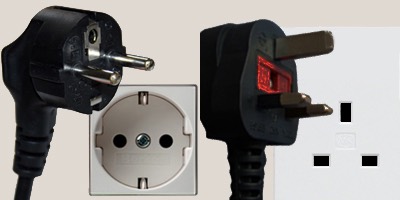
Power Plug Adapter
Most of Europe uses a two-round prong Type F plug while Great Britain uses a much bulkier 3 pronged Type G plug. I recommend a universal adapter or two which will work in any country and will solve one of the two issues with power, which is physically plugging things in. I usually carry one of those and then a handful of simple plug adapters as the type G European adapters are smaller.
- Worldwide All-in-One Universal Travel Adaptor
- [6-Pack] European Travel Plug Adapter, US to Europe Plug Adapter
Current Adapter
The second issue with power for people coming from the U.S. is that while the U.S. Uses 110 volts for all but appliances, Europe uses 220 volts. When you plug in a device that can only handle 110 volts into a socket that provides power at 220. volts… bad things happen… bad things which involve smoke and or fire.
The good news is that some of your more expensive travel devices like your smartphone adapter, your camera battery recharger, and your laptop power brick already probably support a range of voltages from 110 volts to 220 volts. the voltage supported by each device should be printed on the device. Check each item before your trip.
Consumer electronic devices like hair dryers and curling irons are much less likely to support the voltages you need. You can either purchase a voltage converter that will step down the 220 volts to 110 volts or in some cases you can purchase a dual voltage version of a device.
- Power Step Down 220V to 110V Voltage Converter with 4-Port USB International Travel Adapter
- Compact Dual Voltage Folding Handle Travel Hair Dryer
- Dual Voltage Curling Iron
Laptop
The best laptop for travelers is going to depend on whether you are a Mac or a Windows person. Many travelers can just leave their computer at home and get by with a smartphone or tablet, but for a content creator like me and a part-time digital nomad, I need to carry one. I love the Macbook Pro that I have from work, but if I had to put my own money down on a laptop I would get a Macbook Air.
Pickpocket Protection
Europe is generally a safe place for violent crime, but you are much more likely to run into pickpockets. Don’t put a wallet in your back pocket. Wear a purse with a strap across your body, but there are further things you can pack that will make you a poor target.
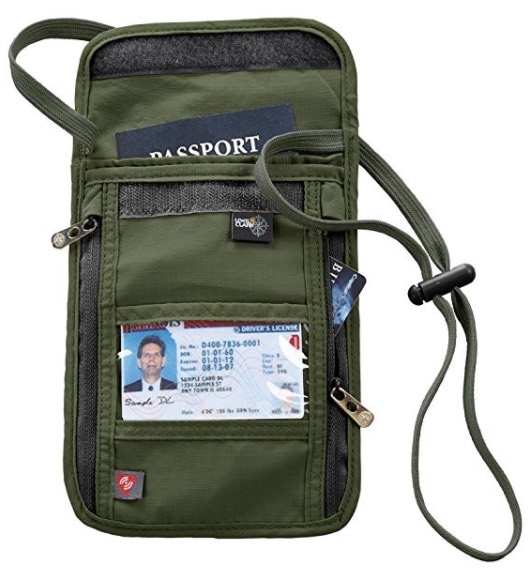 Pouch / Money Belt
Even better than a wallet in your front pocket is having your money and credit card in a safe place under your clothes. When I am in a city like Rome I wear a pounce around my neck which goes under my shirt. Some prefer a money belt.
Pickpocket-proof pants
I feel a bit more comfortable in crowds when I am wearing my Clothing Arts Pickpocket-Proof pants. These pants have zippered pockets which are then covered with a buttoned flap. The idea is just to discourage a thief from targeting you. These pants are more expensive but I do also like the style and feel.
PacSafe Purse
My wife carries a PacSafe purse when we travel. This purse has a clasp that locks in place which makes the zipper a bit more complicated for someone to open. It also has a slash-proof metal mesh in the fabric of the purse and a metal cable in the strap, again to thwart a purse snatcher from cutting the strap.
PacSafe Backpack
I remember seeing a YouTube video of a pickpocket outside the Naples train station having people sneak up behind them and rifling through their backpacks. Many people will switch their backpacks to their front when they are in areas where they are apprehensive about theft. I carry a PacSafe backpack which again is harder for a thief to open, and has the metal mesh so that it is slash-proof.
Camera Strap
Your expensive camera is not quite as big a target as your wallet but to protect mine I use a wrist camera strap that holds mine securely when I am using it.
Money
People still ask me if they should bring traveler’s checks on their trips, but I have not used any in this century. These days when I arrive in a city I look for an ATM and use the same ATM card I use at home. You may need to have a 4-digit PIN on your account to use an ATM in Europe.
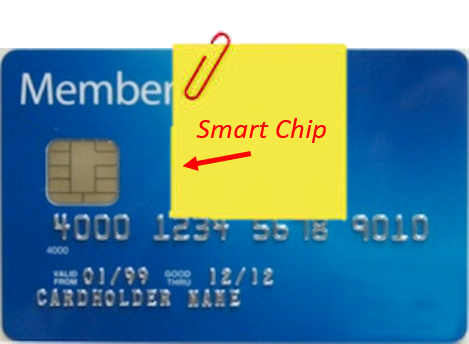
The other thing you will need is a credit card that has a smart chip. Most of my USA credit cards chip not have a smart chip. Europe made that transition years ago. You should assume that if your card does not have a chip then it won’t work at any automated kiosks and increasingly I am finding that even cashiers no longer have a way to swipe a credit card.
You should also look for a credit card that has no additional foreign transaction fees while you are at it.
Appropriate attire
Shoes
Stylish shoes are quite popular in Europe, but keep in mind that if you are going to Europe to visit a lot of old sites, you will find yourself walking on cobblestone streets or along old Roman Roads. So pack a pair of good walking shoes or sneakers for walking.
My friend Deborah recommends in the winter and wetter seasons, women should bring a pair of boots to Paris. That’s what the other women will be wearing and they will be more practical for puddles or snow drifts.
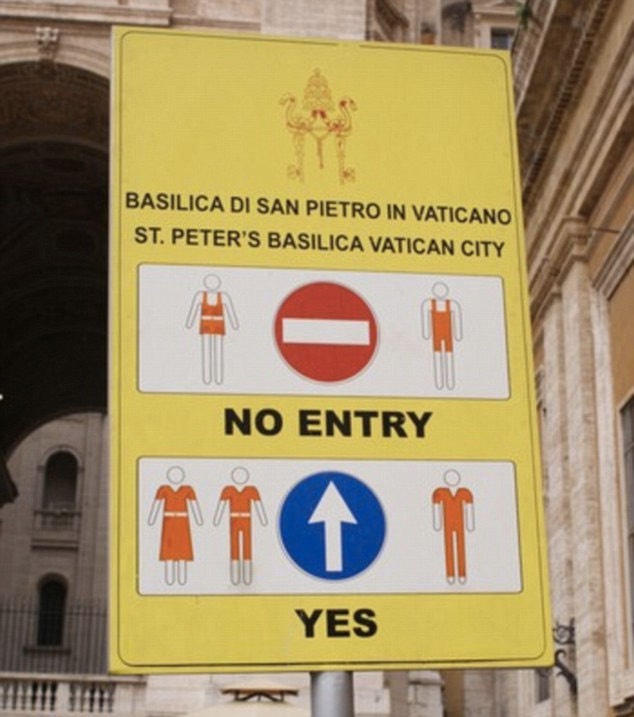
Scarf
For women, packing a nice scarf can not only give a great look to your ensemble, but you should also know that going into a cathedral, you may be stopped if you are wearing short shorts or have bare shoulders. A scarf over the bare shoulders will fix that issue. You might even have a lightweight wrap skirt in your day bag that you can throw on. What is appropriate attire or how much a dress code is enforced can depend not just on the country but on the individual church. But you don’t want to be the women I saw at St Peter’s in Rome who had to cover their shoulders with toilet seat covers because they did not bring a scarf.
Jeans
I live in jeans when I am at home in California. I have raised funding for startup companies wearing jeans and gone out to dinner wearing jeans. It is no longer true that the people you see wearing jeans in Europe are Americans, but still, jeans are not the most practical for travel because you can’t wash them out at night and expect them to be dry in the morning. I often pack convertible travel pants (where the legs zip off and turn into shorts) or cargo pants with pockets for my devices or guidebooks. My travel pants look a bit more dressed up, are comfortable, take up less space, and dry faster than my favorite pair of jeans.
Shirts
What will make you stand out as a tourist in Paris, besides that camera you are carrying, is that T-shirt with the ironic saying. I wear button-down collared shirts which are not only a bit more dressed up but these cotton/poly blend shirts can be hand washed in a sink and will dry in a couple of hours.
Miscellaneous
Empty Water Bottle
Generally, the water in Europe is safe to drink from the tap. Some countries like Italy also routinely have local spigots where you can refill a water bottle. Especially during the warm European summers, carrying a water bottle with you is a good idea. One kiosk I saw in Rome, just outside the Colosseum metro stop, even had refrigerated free water, both still and fizzy. The same kiosk also had 4 USB ports where you could recharge your phone.
Bathrooms
My wife Joan has started packing a washcloth because she finds that she is less likely to find one in a hotel room outside the USA.
Our friend Deborah brings along travel toilet seat covers because she does not always expect to find them in foreign bathrooms.
If you plan to wash clothes out in a hotel sink, you might want to pack a portable sink stopper because not every hotel will have one.
Suitcase
You can save money in Europe by booking a 2-star hotel instead of a 3-star hotel. One of the differences will be that you will have to shlep your suitcase up the stairs or you will find a very small elevator. Having a smaller suitcase, like a carry-on will help you at these hotels, in smaller cabs, and on public transportation.
I use a Pacsafe Toursafe Lifestyle 21-inch and like its durability, but honestly, I used to use a $20 suitcase I bought on sale at Payless. It is the size that matters most. But I would say that the wheels and handle will break first on a cheap suitcase.
What Not to Pack
While we have been talking about what to pack, what not to pack can be as important. I can pack for a 5-week trip in the same suitcase as I use for a one-week trip, because, like at home, I plan on doing some laundry. Also, keep in mind that people live in Europe. Their stores sell many of the same things you buy at home. So you don’t need to bring everything with you.
Europe is the most popular foreign destination for Americans. Your trip will be even better with a little planning. What is on your packing list?

- Get a Car Rental
- Search for Great Tours HERE
- Get a universal plug adapter
- Buy Travel Insurance
- Book Your Accommodation HERE
- Get an eSim to be able to use your smartphone abroad.
 1 Day In Copenhagen: Complete Guide For 2024
 Driving in Ireland – A Road Trip to the Western Edge of Europe
 Europe Trip diary
 Europe – Packaged Tour Groups Pros/Cons
by Chris Christensen
Chris Christensen is the creator of the Amateur Traveler blog and podcast. He has been a travel creator since 2005 and has won awards including being named the "Best Independent Travel Journalist" by Travel+Leisure Magazine.+Chris Christensen | @chris2x | facebook
Leave a Reply
Tags: article, featured, packing, travel 101, travel gear, travel tips